The Ruginoasa estate was bought at the end of the 18th century by the Sturdza family. In 1804, the mansion was reconstructed in Neoclassical style and the domain was embellished with a beautiful garden. In the middle of the 19th century, the palace was renovated in Neo-Gothic style, following the plans of architect Johann Brandel.
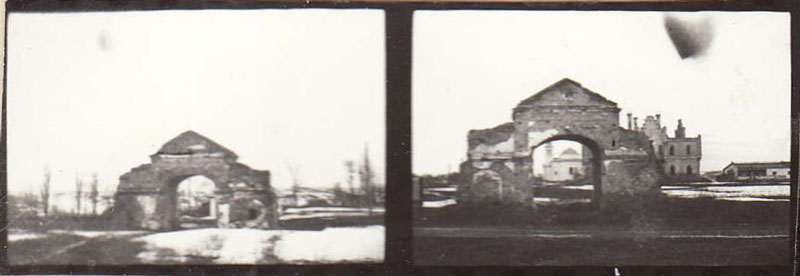
In 1862, the estate was bought by Alexandru Ioan Cuza, and became the residence of his wife, Lady Elena Cuza. During the First World War, the palace functioned as a military hospital. In 1936, the domain became the property of the Romanian Train Network, which transformed it into a tuberculosis hospital. The decay of the domain that started in this period was accentuated during the Second World War. Close to the frontline, the domain was bombed, remaining a ruin for another 20 years.
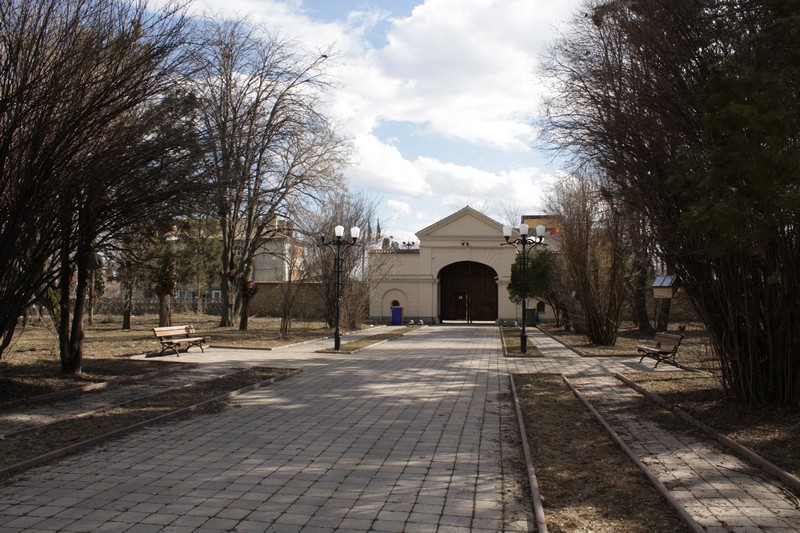
The complex was reconstructed during 1967-1978, when the Department of Historical Monuments rebuilt the palace, a part of the surrounding wall and one of the bastions. Today, the palace houses the A. I. Cuza Memorial Museum, which reopened its gates in 2013, after a restoration lasted for three years.