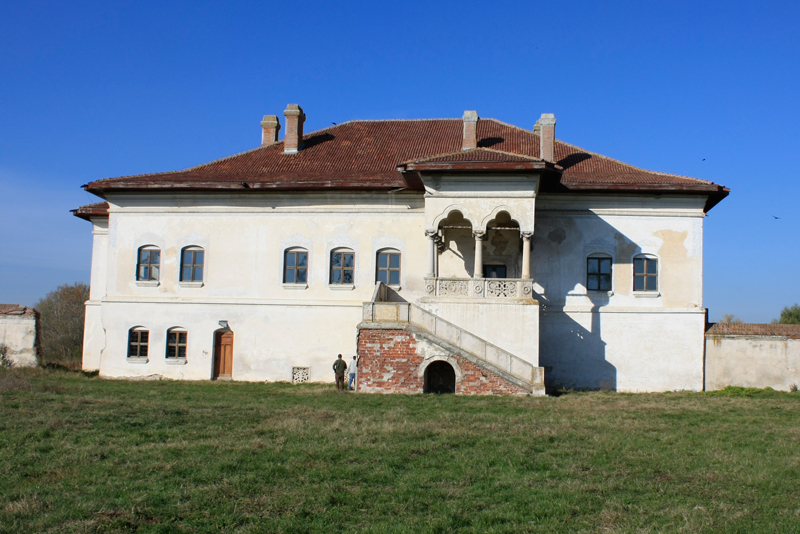
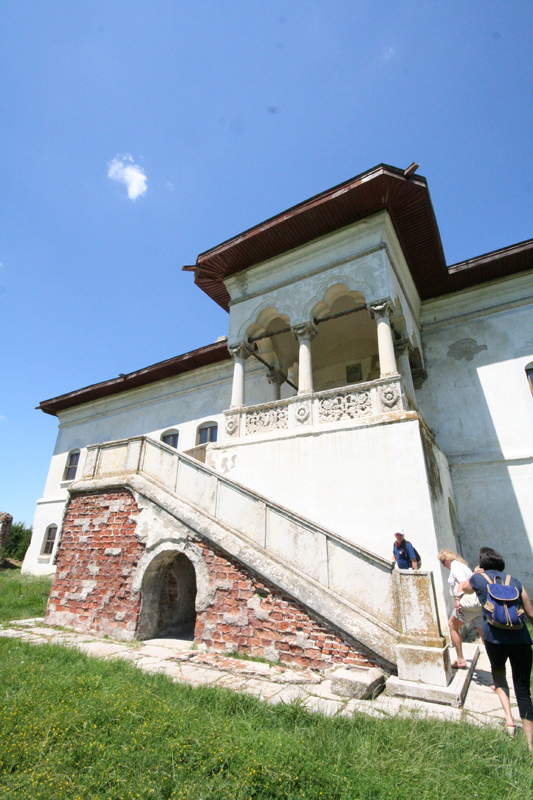
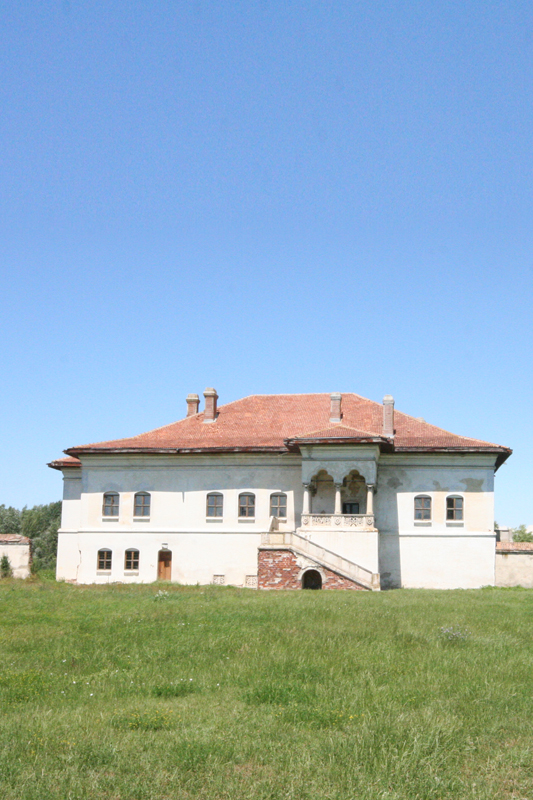
Built in 1698 by Constantin Brâncoveanu, the construction of this palace precedes the one of the Mogoşoaia Palace, and together with other country residences belonging to the family, forms a specific category of country houses. Each palace erected by the Wallachian ruler was destined to be inherited by one of his sons and, in this case, Constantin, the first born son of Brâncoveanu, was to
be the heir. After the tragic death of the lord and his children in 1714, the domains are painstakingly retrieved by lady Maria Brâncoveanu and left in the administration of the Cantacuzine relatives.
During the 19th century the domain of Potlogi falls into ruin, by improper use and spoilage, and proof of this is given by texts of foreign travelers passing through Wallachia. In the beginning of the 20th century, the domain becomes an important research territory and the studies conducted were intended to help a future reconstruction project. Nevertheless, the works only began in the 1950s and lasted for several decades, until 1980s.
After 1989, the palace is open to the visitors, however the building is not properly maintained and suffers several damages. As such, restoration works are carried out today.